 By
By 
What if critical university learning platform fails mid-semester? Your Action Plan.
For over 15 years in higher education technology, I've witnessed firsthand the seismic shift towards digital learning environments. We've moved from supplementary online resources to an almost total reliance on robust Learning Management Systems (LMS) and integrated platforms that are the very backbone of academic operations.
This deep integration, while offering unparalleled flexibility and access, introduces a profound vulnerability: what happens when this critical infrastructure falters? The scenario of a core university learning platform failing mid-semester isn't just a technical glitch; it's an academic catastrophe in the making, disrupting everything from assignment submissions to critical lecture access and grade tracking. The ripple effects can devastate student progress, faculty workflow, and institutional reputation.
In this definitive guide, I'll walk you through a comprehensive framework designed to navigate such a crisis. We'll explore proactive resilience strategies, immediate response protocols, and long-term recovery plans, all grounded in real-world experience and expert insights. You'll gain actionable steps, understand the critical communication pathways, and learn how to safeguard academic continuity when the digital rug is pulled out from under you.
Understanding the Vulnerability: Why Platforms Fail
Before we can build resilience, we must understand the threats. Critical university learning platforms, while designed for robustness, are complex ecosystems susceptible to a myriad of failures. It's not always a dramatic hack or a natural disaster; often, it's a cascade of smaller issues.
Common Causes of Outages in Higher Ed Tech
- Technical Glitches: Software bugs, server overloads, database corruption, or network infrastructure failures. These are often the most common and hardest to predict.
- Cybersecurity Incidents: Ransomware attacks, DDoS attacks, data breaches, or malicious intrusions can cripple systems and compromise sensitive information.
- Human Error: Misconfigurations, incorrect updates, or accidental deletions by IT staff or vendors can have widespread consequences.
- Vendor Issues: Dependence on third-party cloud providers or software vendors means their outages become your outages.
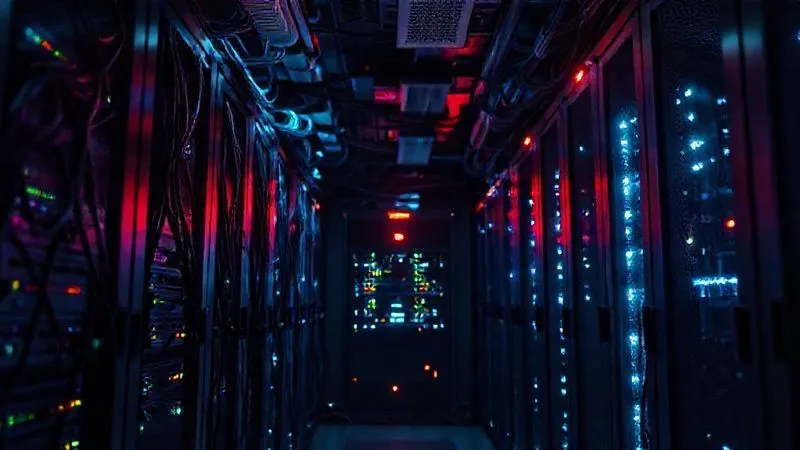
- Natural Disasters/Infrastructure Failures: Power outages, severe weather, or physical damage to data centers, though less frequent, can be catastrophic.
Each of these causes requires a different facet of a robust recovery plan. Acknowledging their potential helps us move from reactive panic to proactive preparation.
Proactive Resilience: Building Your Pre-Failure Fortress
The best defense against a mid-semester platform failure is a strong offense built long before any crisis hits. This involves strategic planning, investment in redundant systems, and clear protocols.
The Essential 'Before' Checklist for Academic Continuity
- Data Backup Strategy: Implement daily, automated backups of all critical data – course content, student submissions, gradebooks, and user profiles. Ensure these backups are stored off-site and tested regularly for integrity and restorability.
- Offline Content Availability: Encourage faculty to store local copies of essential course materials (syllabi, readings, lecture notes) and make them available via alternative, low-tech methods if the LMS fails.
- Alternative Communication Channels: Establish and communicate secondary communication methods (e.g., dedicated email lists, institutional emergency alert systems, specific social media channels) that are independent of the primary learning platform.
- Vendor Service Level Agreements (SLAs): Understand your LMS vendor's uptime guarantees, disaster recovery plans, and communication protocols during outages. Negotiate for robust support.
- Staff Training and Drills: Regularly train IT staff, faculty, and administrative personnel on emergency procedures, communication plans, and alternative teaching methods. Conduct tabletop exercises.
- Redundancy and Failover Systems: For self-hosted platforms, invest in redundant servers, power supplies, and network connections. For cloud-based solutions, understand their geographic redundancy.
As a recent EDUCAUSE report on top IT issues highlighted, digital resilience is no longer an option but a core institutional imperative. Proactive measures significantly reduce the impact when 'What if critical university learning platform fails mid-semester?' becomes a reality.
| Aspect | Backup Method | Frequency | Responsible Party |
|---|---|---|---|
| Course Content | Automated cloud sync, local faculty copies | Daily, end-of-week | IT Dept., Faculty |
| Student Submissions | LMS internal backup, email submission fallback | Real-time, end-of-day | LMS Vendor, IT Dept. |
| Gradebooks | LMS internal backup, local faculty copies | Hourly, end-of-day | LMS Vendor, Faculty |
| Communication Channels | Dedicated email lists, emergency alert system, social media | Pre-established | Communications, IT Dept. |
The Immediate Aftermath: Crisis Communication and Damage Control
When the platform goes down, the first few hours are critical. Panic can spread quickly, exacerbating the problem. A clear, calm, and consistent communication strategy is paramount.
Crafting Your Emergency Communication Protocol
- Verify the Outage: Don't rely on anecdotal reports. Confirm the scope and nature of the outage with your IT team or vendor.
- Activate Communication Teams: Designate a central communication team (e.g., IT, Academic Affairs, Communications) to draft and disseminate messages.
- Initial Notification (Within 30-60 minutes): Send a brief, clear message via all pre-established alternative channels (email, emergency alert system, university website banner, social media). Acknowledge the issue, state that it's being investigated, and promise updates. Avoid speculation.
- Regular Updates: Provide frequent updates, even if it's just to say 'we're still working on it.' Silence breeds frustration and rumors. Set expectations for the next update.
- Direct Faculty Guidance: Provide faculty with specific instructions on how to proceed with classes, manage assignments, and communicate with students during the outage.
- Student Support Channels: Clearly direct students to alternative support channels for questions or concerns.
"In a crisis, the absence of information will be filled with misinformation. Proactive, transparent communication is your most powerful tool to maintain trust and control the narrative." - Industry Veteran Insight
Remember, the goal is to manage expectations and reassure the university community that the situation is being handled professionally.
Alternative Learning Pathways: Keeping Education Flowing
While IT works furiously to restore the platform, academic life must continue as much as possible. This requires creative thinking and leveraging readily available resources.
Leveraging Low-Tech and No-Tech Solutions
- Email as a Primary Channel: For distributing assignments, collecting submissions (with clear subject lines and attachment protocols), and sending announcements.
- Campus Website/Intranet: Designate a specific, easily accessible section of the university website to host temporary materials, announcements, and links to external resources.
- Cloud Storage & Collaboration Tools: Utilize widely available tools like Google Drive, Microsoft 365, or Dropbox for sharing documents, creating collaborative workspaces, and even conducting basic online meetings if internet access is stable.
- Physical Handouts & In-Person Instruction: For classes that can meet physically, revert to traditional methods. Print materials, use whiteboards, and engage in direct instruction.
- Recorded Lectures (Pre-prepared): If faculty have pre-recorded lectures stored locally or on platforms like YouTube, these can be shared via email or dedicated web pages.
Case Study: How 'Bright Minds University' Pivoted During a Major Outage
Bright Minds University, a large public institution, faced a complete LMS outage lasting three days due to a regional power grid failure. Their proactive planning proved invaluable. Within two hours, their communications team sent out an alert via campus-wide email and text message, directing students and faculty to a dedicated 'Academic Continuity' page on their main website. Faculty had been previously trained to upload essential syllabi and initial readings to a shared Google Drive folder accessible via this page. During the outage, professors primarily communicated via university email, holding optional in-person review sessions for complex topics. For assignments, students were instructed to email submissions directly to professors. While not seamless, this rapid pivot minimized learning loss, maintained student engagement, and demonstrated the university's commitment to education continuity, earning significant praise from students and parents alike.
Data Recovery and Integrity: Protecting Academic Records
Beyond simply restoring functionality, ensuring the integrity and recovery of student data is paramount. Grades, submissions, discussion posts – these are the digital artifacts of learning and must be preserved.
Strategies for Data Preservation and Restoration
- Automated, Granular Backups: Ensure your LMS (or its hosting provider) performs frequent, incremental backups that allow for point-in-time recovery. This means being able to restore data from specific moments, not just the last full backup.
- Off-site & Immutable Storage: Store backups in a geographically separate location to protect against regional disasters. Consider immutable storage solutions that prevent data from being altered or deleted, safeguarding against ransomware.
- Regular Restore Testing: It's not enough to have backups; you must regularly test the restoration process. Can you actually retrieve a student's assignment or a professor's gradebook from a backup? This is a critical step often overlooked.
- Checksum Verification: Implement checksums or other data integrity checks during the backup and restore process to ensure data hasn't been corrupted.
- Post-Restoration Audits: Once the system is back online, conduct thorough audits to confirm that all data is present and accurate. Engage faculty and students in this verification process for their respective courses.
The consequences of lost academic data are severe, ranging from grade disputes to accreditation issues. Investing in robust data recovery protocols isn't just good practice; it's a non-negotiable aspect of institutional responsibility. According to a Gartner report on higher education CIO priorities, data security and resilience consistently rank at the top.
Faculty Empowerment: Tools and Training for Disruption
Faculty are on the front lines of education delivery. Their ability to adapt and continue teaching during a platform outage is crucial. This requires proactive empowerment, not just reactive instructions.
Equipping Educators for the Unexpected
- Digital Preparedness Kits: Provide faculty with a 'digital emergency kit' – a simple guide outlining alternative communication methods, backup storage for their course materials, and templates for student communications during an outage.
- Cross-Training on Alternative Tools: Offer workshops or online modules on using basic cloud collaboration tools (e.g., shared documents, simple video conferencing) as alternatives to the LMS.
- Emphasize Pedagogical Flexibility: Encourage faculty to design courses with a degree of flexibility, allowing for alternative assignment submission methods or temporary shifts in lesson delivery if digital tools become unavailable.
- Access to Support Staff: Ensure faculty know exactly who to contact for technical support, pedagogical advice, or communication guidance during an emergency. A dedicated hotline or email address can be invaluable.
- Peer-to-Peer Learning: Facilitate forums or communities where faculty can share best practices and creative solutions for teaching without a fully functional LMS.
As Seth Godin often emphasizes, "resilience isn't just about bouncing back; it's about growing stronger through adversity." Empowering faculty builds institutional resilience from the ground up.
Student Support and Well-being Amidst Disruption
While the technical and academic aspects are critical, we must not overlook the human element: the students. A platform failure can cause significant stress, anxiety, and confusion for learners.
Empathy and Practical Aid for Students
- Clear, Empathetic Communication: Acknowledge student frustration and anxiety. Use clear, simple language in all communications, avoiding technical jargon.
- Designated Support Channels: Provide easily accessible points of contact for students to ask questions, report issues, or seek assistance (e.g., student help desk, academic advising, mental health services).
- Academic Flexibility: Encourage faculty to be flexible with deadlines, offer alternative assignment formats, and provide grace periods for students affected by the outage. This could include extensions for assignments or alternative ways to demonstrate learning.
- Access to Physical Resources: Remind students of available physical resources like campus libraries, computer labs, and study spaces, especially if personal internet access is also affected.
- Mental Health Support: Highlight and make accessible university mental health and counseling services. The stress of academic disruption can significantly impact student well-being.
- Information on Financial Aid/Scholarships: Address any potential concerns regarding attendance tracking or academic progress related to financial aid requirements.
A supportive and understanding approach helps students navigate the disruption with less stress and greater confidence in their institution.
Post-Mortem and Future-Proofing: Learning from the Crisis
Once the dust settles and the platform is restored, the work isn't over. A thorough post-mortem analysis is essential to prevent future occurrences and strengthen overall system resilience.
Implementing a Continuous Improvement Cycle
- Root Cause Analysis (RCA): Conduct a detailed investigation to identify the exact cause of the outage, not just the symptoms. Utilize frameworks like 'the 5 Whys' to dig deep.
- Impact Assessment: Quantify the impact on students, faculty, and operations. How many hours of instruction were lost? How many assignments were delayed? What was the financial cost?
- Identify Gaps and Weaknesses: Review the effectiveness of emergency plans, communication protocols, and alternative learning strategies. Where did things break down? What could have been done better?
- Actionable Recommendations: Develop concrete, measurable recommendations for improvements to infrastructure, policies, training, and vendor agreements. Assign owners and deadlines.
- Documentation and Knowledge Sharing: Update all emergency plans, documentation, and training materials based on lessons learned. Share insights across relevant departments.
- Implement and Monitor: Put the recommendations into action and establish metrics to monitor their effectiveness. This is an ongoing process, not a one-time fix.
Every crisis, however challenging, presents an invaluable learning opportunity. Ignoring these lessons is a recipe for repeating past mistakes. A robust post-mortem ensures that when the question 'What if critical university learning platform fails mid-semester?' arises again, your institution is even better prepared.
| Phase | Activity | Output |
|---|---|---|
| Investigation | Root Cause Analysis, Data Collection | Detailed Incident Report |
| Analysis | Impact Assessment, Gap Identification | Lessons Learned Document |
| Planning | Solution Brainstorming, Recommendation Development | Action Plan with Owners/Deadlines |
| Implementation | System Upgrades, Policy Revisions, Training Updates | Improved Resilience Measures |
| Review | Effectiveness Monitoring, Future Drills | Continuous Improvement Cycle |
The Human Element: Leadership and Team Cohesion
Ultimately, navigating a mid-semester platform failure isn't just about technology; it's about people. Effective leadership and a cohesive team are the bedrock of a successful crisis response.
During a high-stress situation, clear, decisive, and empathetic leadership from IT, academic affairs, and institutional administration is paramount. Leaders must foster a culture of collaboration, ensuring that all departments work in concert, rather than in silos. This means breaking down traditional departmental barriers and focusing on the shared goal of academic continuity and student success.
Empowering team members at all levels to take initiative, provide feedback, and contribute their expertise is also vital. A well-drilled team that trusts each other and understands their roles can react swiftly and effectively, turning potential chaos into a managed challenge. Regular communication and mutual support among staff members can alleviate stress and maintain morale, which is crucial during prolonged periods of disruption.
I've seen institutions where technical prowess was high, but poor communication and internal politics crippled their response. Conversely, institutions with fewer resources but strong, unified leadership and a collaborative spirit often weathered storms more effectively. This underscores that the human infrastructure is as critical as the digital one.
Frequently Asked Questions (FAQ)
What's the difference between a disaster recovery plan and an academic continuity plan? A disaster recovery (DR) plan primarily focuses on restoring IT systems and data after a major disruption. An academic continuity plan (ACP), while leveraging DR, is broader; it focuses specifically on ensuring the continuation of teaching, learning, and research activities, even if IT systems are partially or fully unavailable. It addresses pedagogical strategies, communication with students/faculty, and alternative learning methods.
How often should we test our emergency plans? I recommend testing your full academic continuity and disaster recovery plans at least once a year. This should include tabletop exercises for key personnel and, where feasible, partial drills simulating an outage. Communication protocols, in particular, should be reviewed and tested semi-annually to ensure contact information and channels are current.
What's the most critical piece of information to communicate to students during an outage? The most critical piece is where they can find official updates and what the immediate expectations are for their coursework. A simple, clear statement like, "The LMS is currently down. All updates will be posted on the university homepage and sent via email. Please check your university email for instructions on upcoming assignments." is far more effective than silence or overly technical explanations.
Should we invest in a redundant LMS or a secondary platform? For critical functions, yes, having a secondary, simplified platform or robust offline capabilities is a wise investment. A full, mirrored LMS can be costly. However, a lightweight platform for emergency announcements, basic course material distribution, and assignment collection, independent of your primary LMS, can provide invaluable resilience. This could be a dedicated section of your university website or a simple cloud-based file-sharing system.
How can faculty best prepare their courses for a potential outage? Faculty should regularly back up their course content locally, have a clear syllabus outlining alternative submission methods (e.g., email to instructor), and identify key readings or assignments that can be distributed via email or physical handouts if needed. Simple measures like having a 'Plan B' for the next two weeks of content can make a huge difference.
Key Takeaways and Final Thoughts
- Proactive Planning is Non-Negotiable: Invest in robust backup systems, alternative communication channels, and clear emergency protocols well before a crisis hits.
- Communication is King: Transparent, timely, and empathetic communication to students, faculty, and staff is crucial for managing expectations and maintaining trust.
- Empower Your People: Train faculty and staff on alternative methods and provide them with the tools and support to adapt to disruption.
- Focus on Data Integrity: Safeguard academic records through rigorous backup, restoration testing, and post-recovery audits.
- Learn and Evolve: Every platform failure is an opportunity for a post-mortem analysis to strengthen your institution's resilience for the future.
The question 'What if critical university learning platform fails mid-semester?' is no longer hypothetical. It's a fundamental challenge in our digitally dependent educational landscape. By adopting the strategies outlined here, institutions can move beyond simply reacting to outages, instead building a resilient, adaptable, and trustworthy learning environment. Your commitment to these principles not only protects academic progress but also reinforces your institution's reputation as a leader in educational continuity. Be prepared, be proactive, and empower your community to thrive, no matter the digital disruptions.
Recommended Reading
- Online Course Validation: 5 Steps Before You Invest Time & Money
- Unmasking the Common Pitfalls in Microservices Design: Avoid Costly Mistakes
- Unlock the Cosmos: How Nuclear Propulsion Will Revolutionize Space Travel
- 5 Critical Fixes for React Native Camera Integration Headaches
- 7 UX Strategies to Slash Product Churn: A Design Expert's Guide





0 Comentários: