 By
By 
How to reconcile physical IT assets with CMDB discrepancies?
For over two decades in IT infrastructure, I've witnessed the silent killer of operational efficiency and strategic planning: the ever-widening chasm between a company's physical IT assets and its Configuration Management Database (CMDB). It’s a problem that plagues organizations of all sizes, from agile startups to sprawling enterprises, often dismissed as a mere 'data hygiene issue'. But believe me, it's far more insidious.
The struggle is real: your CMDB, meant to be the holy grail of your IT environment, a single source of truth for every server, switch, laptop, and application, slowly drifts out of sync with reality. Assets go missing, get repurposed, or are deployed without proper documentation. This data drift leads to inaccurate reporting, failed audits, security vulnerabilities, compliance nightmares, and ultimately, wasted budget and precious IT team hours.
In this definitive guide, I'll draw upon my years of hands-on experience and the lessons learned from countless successful (and a few challenging) reconciliation projects. We'll move beyond theoretical concepts and dive into an actionable, expert-backed framework designed to show you precisely how to reconcile physical IT assets with CMDB discrepancies. You'll gain a clear roadmap, practical strategies, and the insights needed to transform your CMDB from a liability into a powerful strategic asset.
Why CMDB Discrepancies Are a Ticking Time Bomb
Many IT leaders understand that CMDB discrepancies are bad, but few grasp the true depth of their impact until a crisis hits. I’ve seen this play out repeatedly. Imagine a critical security patch needs to be deployed across all servers. If your CMDB is inaccurate, you might miss vulnerable machines, leaving gaping holes in your defenses. Or consider a software license audit where you can't account for hundreds of deployed instances, leading to hefty fines.
The consequences extend far beyond mere inconvenience:
- Security Risks: Unknown assets are unmanaged assets. They don't receive patches, security updates, or monitoring, becoming prime targets for cyberattacks.
- Compliance Failures: Regulatory bodies demand accurate inventories. Discrepancies can lead to non-compliance, reputational damage, and significant penalties.
- Operational Inefficiencies: Troubleshooting becomes a nightmare when the CMDB doesn't reflect reality. Downtime increases, and Mean Time To Resolution (MTTR) skyrockets.
- Financial Waste: You might be paying for ghost assets (licenses, support contracts) or over-provisioning resources because you don't know what you truly have.
- Poor Decision-Making: Strategic planning for migrations, upgrades, or capacity management relies heavily on CMDB data. Inaccurate data leads to flawed decisions and costly mistakes.
These aren't hypothetical scenarios; they are real-world problems I've helped organizations navigate. The cost of reconciliation pales in comparison to the cost of inaction.
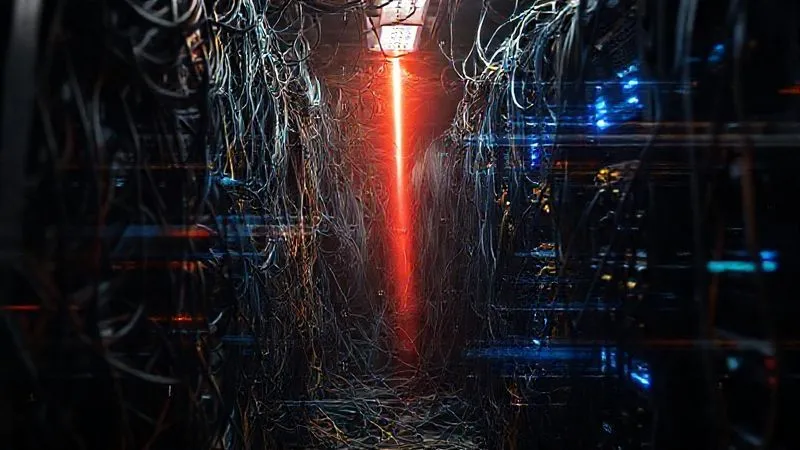
The Root Causes of CMDB Drift: More Than Just Oversight
Understanding how to reconcile physical IT assets with CMDB discrepancies begins with understanding *why* these discrepancies occur in the first place. It's rarely a single point of failure but rather a confluence of factors, often deeply embedded in organizational culture and processes.
From my vantage point, the most common culprits include:
- Manual Data Entry: Human error is inevitable. Typos, forgotten updates, and inconsistent data formats creep in when relying solely on manual input.
- Lack of Standardized Processes: Without clear, enforced procedures for asset provisioning, decommissioning, and modification, assets enter and leave the environment without proper CMDB updates.
- Decentralized IT Operations: In larger organizations, different departments or regional offices might manage their own assets with varying tools and practices, leading to fragmented data.
- Rapid IT Change: The dynamic nature of modern IT – cloud migrations, virtualization, containerization, agile development – makes keeping up incredibly challenging for traditional CMDBs.
- Insufficient Tooling: Relying on spreadsheets or outdated discovery tools simply isn't adequate for today's complex, hybrid IT environments.
- Poor Integration: CMDBs often exist in silos, disconnected from procurement, inventory, service desk, and monitoring systems. This prevents real-time data flow and validation.
- Lack of Ownership & Accountability: If no one is explicitly responsible for CMDB data accuracy, it quickly becomes everyone's (and therefore no one's) problem.
"A CMDB is a living organism; neglect it, and it will wither. Nurture it with robust processes and automation, and it will thrive as the heartbeat of your IT operations." - Industry Veteran Insight
Recognizing these root causes is the first step toward building a sustainable solution, not just a temporary fix.
Laying the Foundation: Essential Pre-Reconciliation Steps
Before you even begin the reconciliation process, there are crucial foundational steps that, in my experience, significantly impact your success. Skipping these is like building a house on sand – it might stand for a bit, but it will eventually crumble.
- Define CMDB Scope & Configuration Items (CIs): What assets truly belong in your CMDB? Not everything needs to be a CI. Focus on critical assets that support business services. Define CI types, attributes (e.g., serial number, location, owner, status), and relationships.
- Establish a Clear Data Model: Your CMDB needs a well-defined schema. This dictates how CIs are categorized and how they relate to each other. A consistent data model is paramount for accuracy and usability.
- Gain Executive Buy-in and Allocate Resources: Reconciliation isn't a one-time IT project; it's an ongoing operational discipline. You need budget, dedicated personnel, and leadership support to make it a priority.
- Identify Key Stakeholders: Involve teams from IT operations, security, finance, procurement, and even business units. Their input is vital, and their cooperation will be essential for data validation and process adherence.
- Cleanse Existing Data (Where Possible): Before attempting a full reconciliation, try to clean up obvious errors or duplicates in your existing CMDB. This reduces the initial workload and improves the quality of your baseline.
- Document Current ITAM & CMDB Processes: Understand what's currently happening. Where are the breakdowns? Where are the manual steps that introduce errors? This diagnostic step is critical.
By investing time in these preliminary steps, you're not just preparing for reconciliation; you're building a more mature IT asset management (ITAM) practice that will serve your organization for years to come. According to ITIL best practices, a well-managed CMDB is a cornerstone of effective service management.
The 7-Step Framework for Robust CMDB-Physical Asset Reconciliation
Now, let's get into the tactical framework for how to reconcile physical IT assets with CMDB discrepancies. This isn't a magic bullet, but a disciplined approach that, when consistently applied, yields remarkable results. I've refined these steps over many years, and they form the backbone of successful ITAM programs.
Step 1: Establish a Single Source of Truth for Physical Inventory
Before you can compare, you need an accurate baseline. This means establishing a reliable, up-to-date inventory of *all* your physical IT assets. This might seem daunting, but it's non-negotiable.
- Define Asset Scope: Clearly delineate what assets are in scope for this inventory (e.g., all network devices, servers, end-user devices, etc.).
- Choose Your Method:
- Manual Audit: For smaller environments or specific asset types, a physical walkthrough with barcode scanners can be effective.
- Automated Discovery: For larger, dynamic environments, this is essential. Deploy agents or agentless scanners to discover hardware, software, and network devices.
- Collect Key Attributes: For each asset, capture critical data: serial number, asset tag, MAC address, IP address, location, owner, status (in use, spare, retired), purchase date, and warranty information.
- Standardize Data Format: Ensure all collected data adheres to a predefined format to facilitate easier comparison later.
This physical inventory becomes your initial "ground truth" against which your CMDB will be validated. It’s a snapshot, but a crucial one.
Step 2: Leverage Automated Discovery Tools
Manual inventory is unsustainable in today's complex environments. Modern IT demands automated discovery. These tools actively scan your network, servers, endpoints, and cloud environments to identify and collect data about hardware and software assets.
- Select Appropriate Tools: Research and invest in discovery tools that support your diverse environment (on-prem, cloud, virtual, containerized). Consider agent-based for deep endpoint data and agentless for network devices.
- Configure Discovery Scans: Set up regular, scheduled scans across your entire infrastructure. Ensure proper credentials and network access are provided for comprehensive data collection.
- Normalize and Deduplicate Data: Discovery tools often find redundant or inconsistent data. Implement processes to normalize data (e.g., standardizing vendor names) and deduplicate entries before importing into your CMDB.
- Integrate with CMDB: Ideally, your discovery tool should integrate directly with your CMDB, automatically populating and updating CI data. This is where the magic of reducing manual effort happens.
The goal here is not just to find assets, but to gather rich, accurate data that can be used for comparison. Gartner emphasizes the role of automated discovery as a core component of effective ITAM.
Step 3: Define Clear Reconciliation Rules and Workflows
Once you have your physical inventory data and automated discovery results, you need a systematic way to compare them with your CMDB. This requires defining clear reconciliation rules.
- Identify Key Matching Attributes: Determine the unique identifiers you will use to match assets between data sources (e.g., serial number, asset tag, MAC address, hostname, IP address). Prioritize attributes that are most reliable.
- Establish Matching Logic: Define rules for what constitutes a "match," a "discrepancy," or a "new asset." For example:
- Perfect Match: Serial number, asset tag, and hostname all align.
- Partial Match: Serial number matches, but location differs.
- No Match (CMDB Only): Asset in CMDB, not found physically or by discovery.
- No Match (Physical/Discovery Only): Asset found physically/by discovery, not in CMDB.
- Prioritize Discrepancy Types: Not all discrepancies are equal. Prioritize critical assets (servers, network devices) and high-impact attributes (status, location, owner).
- Automate Comparison: Utilize CMDB tools or specialized reconciliation software to automate the comparison process based on your defined rules. Manual comparison of thousands of assets is simply impractical.
This step transforms raw data into actionable insights, highlighting exactly where your CMDB deviates from reality.
Step 4: Perform Regular Physical Audits and Verification
Automated discovery is powerful, but it's not a silver bullet. There will always be "dark assets" – devices that are offline, in storage, or simply missed by network scans. This is where targeted physical audits come in.
- Schedule Cyclical Audits: Implement a schedule for physical audits, perhaps rotating through different locations or asset types throughout the year. Critical assets might require more frequent checks.
- Utilize Barcode/RFID Scanning: Equip your audit teams with mobile scanners to quickly capture asset tags and serial numbers, cross-referencing them with your CMDB on the spot or uploading for batch processing.
- Focus on High-Risk Areas: Prioritize areas prone to asset movement or undocumented changes, such as data centers, staging areas, and remote offices.
- Verify Key Attributes: Beyond just existence, verify critical attributes like location, status, and assigned user.
- Document Findings: Clearly record all discrepancies found during the physical audit, including evidence (photos, notes).
I've seen organizations dramatically improve their CMDB accuracy by combining robust automated discovery with strategic, regular physical verification. It's the yin and yang of asset validation.
| Discrepancy Type | Impact | Resolution Priority | Action |
|---|---|---|---|
| CMDB Only (Ghost Asset) | Financial waste, compliance risk | High | Verify existence, decommission if absent, update CMDB |
| Physical Only (Shadow IT) | Security risk, operational blind spot | Critical | Discover, onboard to CMDB, secure, assign ownership |
| Attribute Mismatch (e.g., Location) | Operational inefficiency, troubleshooting delay | Medium | Verify correct attribute, update CMDB |
| Status Mismatch (e.g., Active vs. Decommissioned) | Security risk, financial waste | High | Verify actual status, update CMDB |
Step 5: Implement a Formal Discrepancy Resolution Process
Finding discrepancies is only half the battle; resolving them is where accuracy is restored. This requires a well-defined process and clear ownership.
- Assign Ownership: Designate individuals or teams responsible for investigating and resolving specific types of discrepancies. This might involve IT operations, network teams, or asset managers.
- Investigate Discrepancies: For each mismatch, conduct a thorough investigation. Is the physical asset truly missing? Was the CMDB entry incorrect? Was there a process failure?
- Update CMDB: Based on the investigation findings, update the CMDB to reflect the accurate state of the asset. This could mean adding a new CI, modifying attributes, or decommissioning an old entry.
- Document Resolution: Record the details of the discrepancy, the investigation, and the resolution steps taken. This creates an audit trail and helps identify recurring issues.
- Review and Approve: For significant changes, implement a review and approval process to ensure data integrity and prevent unauthorized modifications.
This structured approach ensures that every discrepancy found during the reconciliation process is addressed systematically, preventing future recurrence and building trust in your CMDB data.
Step 6: Integrate CMDB with Key IT Systems
A truly effective CMDB isn't a standalone database; it's the central nervous system of your IT ecosystem. Integration with other critical systems is paramount for maintaining accuracy and automating updates.
- Service Desk/ITSM: When a new incident is logged, the associated CI data should be readily available. When an asset is moved or changed as part of a service request, the CMDB should be updated automatically.
- Procurement & Inventory: Integrate with purchasing systems to automatically populate new assets into the CMDB upon acquisition and update status upon deployment.
- Monitoring Tools: Link CMDB CIs to monitoring alerts. If a server goes down, the monitoring system can flag the specific CI in the CMDB, enriching incident data.
- Change Management: Ensure that every approved change request that impacts a CI automatically triggers a CMDB update. This is a critical control point for preventing drift.
- Cloud Management Platforms: For cloud-native assets, integrate with tools that can discover and update CMDB entries dynamically as virtual machines, containers, and serverless functions are provisioned and de-provisioned.
By integrating your CMDB, you create a continuous feedback loop, where data flows seamlessly between systems, reducing manual effort and significantly improving data accuracy. Forbes highlights ITAM integration as a key driver for operational excellence.
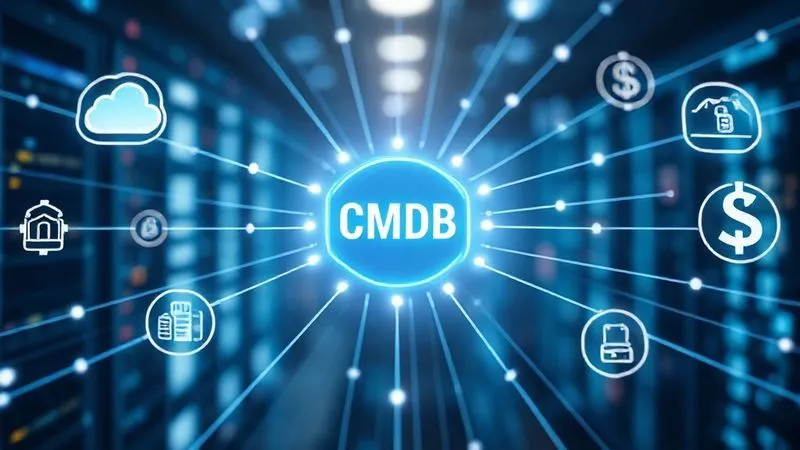
Step 7: Continuous Monitoring and Improvement
Reconciliation is not a one-time project. It's an ongoing journey. The IT environment is constantly evolving, and so too must your CMDB management practices.
- Implement Regular Audits & Reviews: Continue with scheduled physical audits and automated discovery scans. Regularly review discrepancy reports and resolution metrics.
- Monitor Key Performance Indicators (KPIs): Track metrics like CMDB accuracy percentage, reconciliation cycle time, number of critical discrepancies, and the time to resolve discrepancies.
- Feedback Loop for Process Improvement: Use the insights gained from discrepancies to refine your ITAM and CMDB processes. Are certain types of assets always missing? Are there recurring process gaps?
- Train and Educate Staff: Regularly train all relevant staff – from new hires to seasoned pros – on CMDB policies, processes, and the importance of data accuracy.
- Review Technology Stack: Periodically assess your discovery tools, CMDB platform, and integration capabilities to ensure they meet your evolving needs.
This commitment to continuous improvement is what elevates an organization from simply reacting to discrepancies to proactively maintaining a highly accurate and valuable CMDB. It’s the difference between firefighting and strategic IT management.
Case Study: How GlobalTech Achieved CMDB Harmony
GlobalTech's Challenge:
GlobalTech, a multinational software development firm with over 5,000 employees across three continents, faced a severe CMDB accuracy crisis. Their CMDB was only about 60% accurate, leading to significant delays in incident resolution, over-provisioning of cloud resources, and a failed internal security audit. Manual reconciliation efforts were sporadic and ineffective, consuming hundreds of IT man-hours annually without lasting improvement.
The Solution Implemented:
Following a consultation with an industry expert (like myself), GlobalTech adopted a phased approach based on the 7-step framework outlined above:
- They first invested in a robust, enterprise-grade automated discovery tool that could scan both their on-prem data centers and their multi-cloud environments.
- Next, they standardized their CI data model and established clear reconciliation rules, focusing on serial numbers, asset tags, and hostnames as primary matching attributes.
- A dedicated "CMDB Data Steward" team was formed to oversee the reconciliation process and investigate discrepancies.
- They integrated their discovery tool with their ITSM platform and procurement system, ensuring new assets were automatically added and changes were reflected in the CMDB via change requests.
- Regular, targeted physical audits were implemented for high-value assets in their data centers, complementing the automated scans.
The Results:
Within 18 months, GlobalTech achieved:
- An increase in CMDB accuracy from 60% to over 95%.
- A 25% reduction in Mean Time To Resolution (MTTR) for critical incidents due to accurate CI data.
- A 15% reduction in cloud infrastructure costs by decommissioning unused resources identified through reconciliation.
- Successful completion of subsequent security and compliance audits with minimal findings.
- A significant boost in IT team morale, as they spent less time on data firefighting and more on strategic initiatives.
This case study underscores that while the journey to CMDB harmony requires commitment, the tangible benefits in efficiency, security, and cost savings are immense.
Overcoming Common Reconciliation Hurdles
Even with a solid framework, you'll likely encounter challenges. I've seen these pitfalls often:
- Resistance to Change: People are comfortable with existing (even if flawed) processes. Emphasize the benefits and provide thorough training.
- Tool Overload/Underutilization: Having many tools but not integrating them or using them to their full potential is a common issue. Invest in tools, but also in their proper deployment and integration.
- Data Volume and Complexity: Large, distributed environments generate massive amounts of data. This is why automation and clear rules are critical.
- Budget Constraints: High-quality discovery tools and CMDB platforms can be an investment. Focus on demonstrating ROI through reduced downtime, compliance costs, and optimized spending.
- Lack of Data Ownership: If responsibility isn't clearly assigned, the CMDB will quickly drift again. Foster a culture of data accountability.
"The biggest challenge in CMDB reconciliation isn't the technology; it's the people and the processes. Address those, and technology becomes an enabler, not a burden." - Expert Insight
Proactive communication, clear policies, and continuous training are your best allies in overcoming these hurdles.
The Future of ITAM: AI, Automation, and Proactive Reconciliation
As we look ahead, the landscape of IT asset management, and particularly CMDB reconciliation, is set for exciting advancements. Artificial Intelligence (AI) and Machine Learning (ML) are poised to transform how we maintain CMDB accuracy.
- Predictive Analytics: AI can analyze historical data patterns to predict where discrepancies are likely to occur, allowing for proactive intervention.
- Enhanced Anomaly Detection: ML algorithms can identify unusual asset behavior or data inconsistencies that might indicate a discrepancy long before a manual audit would catch it.
- Intelligent Automation: Beyond simple integration, AI-driven automation can intelligently resolve certain types of discrepancies without human intervention, or at least flag them with highly accurate suggestions.
- Natural Language Processing (NLP): Future CMDBs might be able to ingest unstructured data from service desk tickets or emails and intelligently update CI attributes.
- Blockchain for Asset Provenance: While still nascent, blockchain technology could offer an immutable, auditable ledger for asset lifecycle events, ensuring unparalleled data trust.
The goal is to shift from reactive reconciliation – fixing problems after they occur – to proactive and even predictive reconciliation, where discrepancies are prevented or resolved almost in real-time. This future is not decades away; elements of it are already here, and forward-thinking organizations are beginning to leverage them to stay ahead. Deloitte emphasizes the role of advanced technologies in modern IT asset management strategies.
Frequently Asked Questions (FAQ)
Q: How often should we perform a full CMDB reconciliation? The frequency depends on your organization's size, rate of change, and risk tolerance. For highly dynamic environments with critical assets, I recommend continuous automated discovery with quarterly targeted physical audits. For more stable environments, a semi-annual or annual full reconciliation might suffice, supplemented by ongoing process adherence. The key is consistency and adaptation.
Q: What's the biggest mistake organizations make when trying to reconcile their CMDB? In my experience, the biggest mistake is treating it as a one-off project rather than an ongoing operational discipline. They clean it up once, declare victory, and then let it drift again. Another common error is focusing solely on technology without addressing the underlying process and people issues. You need all three pillars: People, Process, and Technology.
Q: Can open-source tools be used for CMDB reconciliation? Absolutely. Many organizations successfully use open-source discovery tools (e.g., OCS Inventory NG, GLPI) and even build custom scripts to compare data. However, be prepared for increased effort in integration, customization, and maintenance compared to commercial solutions. For smaller environments or specific needs, they can be a cost-effective option, but scaling can be a challenge.
Q: How do we handle virtual assets and cloud resources in CMDB reconciliation? Virtual assets and cloud resources require a slightly different approach. Automated discovery tools are crucial here, often integrating directly with hypervisors (VMware, Hyper-V) and cloud provider APIs (AWS, Azure, GCP). The challenge is their ephemeral nature. Your reconciliation process must be highly automated and frequent to capture their dynamic lifecycle, from provisioning to de-provisioning, almost in real-time.
Q: What are the key metrics to track to measure CMDB accuracy and reconciliation effectiveness? Beyond the overall CMDB accuracy percentage, I recommend tracking:
These metrics provide a holistic view of your reconciliation efforts.
Key Takeaways and Final Thoughts
Reconciling physical IT assets with CMDB discrepancies is more than just a technical task; it's a strategic imperative for any organization aiming for operational excellence, robust security, and sound financial management. I've seen firsthand how a well-maintained CMDB can transform an IT department from a cost center into a true business enabler.
- Start with a Strong Foundation: Define your scope, data model, and get executive support.
- Embrace Automation: Automated discovery and integration are non-negotiable for modern IT environments.
- Establish Clear Processes: Define rules for reconciliation, discrepancy resolution, and ongoing updates.
- Don't Neglect Physical Audits: They provide the crucial "ground truth" that automation might miss.
- Foster a Culture of Accountability: CMDB accuracy is everyone's responsibility, not just one team's.
- Commit to Continuous Improvement: The IT landscape changes, and so must your CMDB practices.
The journey to CMDB harmony won't be without its challenges, but by following this expert-guided framework, you'll be well-equipped to tackle them head-on. Invest in your CMDB, and you're investing in the stability, security, and future growth of your entire organization. Your efforts today will pay dividends for years to come.
Recommended Reading
- Azure Audit Failures? 7 Steps to Rapid Compliance Resolution & Prevention
- Is Your Expert System Failing Regulatory Shifts? 5 AI Fixes
- Unlock the Secret: How Raft Consensus Algorithm Ensures Fault Tolerance
- Fixing Fraud Detection: 7 Steps to Diagnose Low ML Accuracy
- 5 Strategies to Accelerate Regulatory Approval for Synthetic Organisms





0 Comentários: