 By
By 
How to prevent physical damage from cyberattacks on smart grids?
For over two decades in the realm of Cyber-Physical Systems (CPS), I've witnessed the evolution of threats from theoretical discussions to devastating realities. Early in my career, the idea of a cyberattack causing a physical blackout seemed like science fiction. Today, it’s a tangible, ever-present danger, a vulnerability that keeps energy executives and national security experts awake at night.
The pain point is no longer just data breaches or financial fraud; it's the very real prospect of explosions, widespread power outages, and catastrophic infrastructure failures. Imagine entire cities plunged into darkness, critical services collapsing, and the economic fallout that could cripple nations. This isn't just about protecting digital assets; it's about safeguarding lives, livelihoods, and the bedrock of modern society.
This comprehensive guide isn't just a collection of facts; it's a distillation of my experience, offering a robust framework and actionable strategies. You'll gain expert insights, learn from real-world analogies, and discover the critical steps needed to fortify your smart grid, ensuring its resilience against the most sophisticated cyber-physical assaults designed to inflict physical damage.
Understanding the Evolving Threat Landscape for Smart Grids
Smart grids are the circulatory system of our modern world, integrating advanced information and communication technologies with traditional power infrastructure. This integration brings unparalleled efficiency and flexibility, but it also introduces a vast, complex attack surface that demands a specialized security approach.
The Convergence of IT and OT: A Double-Edged Sword
One of the most significant shifts I've observed is the convergence of Information Technology (IT) and Operational Technology (OT). Historically, OT networks—which control industrial systems like those in smart grids—were isolated, often 'air-gapped,' from external networks. Today, for efficiency, remote management, and data analysis, these networks are increasingly interconnected with enterprise IT systems and the internet.
This convergence, while beneficial for operational efficiency, has opened new, perilous pathways for cyber adversaries. A vulnerability in an IT system, like a compromised email account, can now potentially serve as a beachhead to pivot into the OT network, directly impacting physical assets. The distinct protocols, legacy systems, and real-time operational demands of OT environments make securing this converged landscape far more challenging than traditional IT security.
In my experience, failing to understand the fundamental differences and interdependencies between IT and OT security is the single biggest mistake organizations make when trying to prevent physical damage from cyberattacks on smart grids.
Common Attack Vectors Targeting Physical Infrastructure
Adversaries targeting smart grids are sophisticated and persistent, employing a diverse array of tactics to achieve their objectives. These vectors are designed not just to disrupt, but to cause tangible, physical harm:
- Phishing and Spear-Phishing: Targeting control center personnel with malicious links or attachments to gain initial access.
- Supply Chain Compromise: Injecting malware or vulnerabilities into hardware or software components before they even reach the grid operator.
- Zero-Day Exploits: Leveraging unknown software vulnerabilities in control systems or network devices.
- Insider Threats: Disgruntled employees or malicious actors with legitimate access intentionally causing damage.
- Remote Access Exploits: Exploiting insecure remote access points used for maintenance or monitoring.
- DDoS Attacks: Overwhelming network infrastructure to disrupt communication and control, potentially leading to cascading physical failures.

Architecting Resilience: Foundational Security Principles for Smart Grids
Preventing physical damage from cyberattacks on smart grids starts with a proactive, security-by-design approach. It's not about adding security as an afterthought, but embedding it into the very architecture of the system. This requires a deep understanding of the grid's operational imperatives and a commitment to robust engineering principles.
Deep Dive into Network Segmentation and Micro-segmentation
Network segmentation is arguably the most critical defensive measure against cyber-physical attacks. It involves dividing the network into smaller, isolated zones, limiting the lateral movement of an attacker. If one segment is breached, the damage is contained, preventing a ripple effect across the entire grid.
For smart grids, this means strictly separating IT and OT networks, but also further segmenting within the OT domain (e.g., generation, transmission, distribution, control centers). Micro-segmentation takes this a step further, creating granular security zones around individual devices or applications, effectively establishing a 'zero-trust' environment where no entity is trusted by default.
- Identify Critical Assets: Map out all critical OT devices, controllers, and communication pathways.
- Define Zones: Group assets with similar security requirements and functions into distinct zones (e.g., SCADA zone, substation zone, corporate IT zone).
- Implement Firewalls/Routers: Place robust firewalls and industrial routers between zones to enforce strict access control policies.
- Monitor Traffic: Continuously monitor traffic flows between segments for anomalous activity.
- Apply Micro-segmentation (Advanced): For highly critical assets, deploy software-defined segmentation to isolate individual devices, enforcing least-privilege communication.
In the smart grid context, the principle of 'never trust, always verify' is paramount. Every connection, every data packet, and every user interaction must be validated, regardless of its origin or previous authorization.
| Feature | Description | Benefit for Smart Grids |
|---|---|---|
| Traditional Segmentation | Divides network into broad zones (e.g., IT vs. OT). Relies on perimeter defenses. | Limits large-scale lateral movement; foundational security. |
| Micro-segmentation | Creates granular security zones around individual workloads/devices. Enforces 'zero-trust'. | Contains breaches to specific assets; prevents targeted physical damage; enhances resilience. |
Robust Access Control and Identity Management
The principle of least privilege is fundamental. No user, system, or process should have more access than absolutely necessary to perform its function. This applies equally to human operators and automated systems interacting with the grid.
Implementing multi-factor authentication (MFA) for all remote and privileged access to OT systems is non-negotiable. Role-based access control (RBAC) ensures that individuals only have permissions relevant to their job roles, preventing accidental or malicious overreach. Regular audits of access logs are essential to detect unauthorized attempts. As outlined by the NIST SP 800-82 guide for Industrial Control System (ICS) Security, strong identity and access management are cornerstones of CPS protection.
Securing the Supply Chain: From Device to Deployment
The smart grid relies on a vast ecosystem of hardware and software vendors. A single compromised component introduced at any stage of the supply chain can become a backdoor for adversaries to inflict physical damage. This risk is often underestimated but has been a vector for high-profile attacks.
It's crucial to implement rigorous vendor vetting processes, including security audits and contractual requirements for secure development practices. Operators must demand transparency regarding component origins and software bill of materials (SBOMs). Furthermore, ensuring that all devices are securely configured before deployment, disabling unnecessary ports and services, and regularly patching known vulnerabilities are vital steps.
Case Study: How GridSecure Inc. Mitigated Supply Chain Risks
GridSecure Inc., a regional utility, faced significant concerns regarding the security of their new smart meter deployment. Instead of simply purchasing off-the-shelf, they mandated a comprehensive security audit for all potential vendors. This included penetration testing of sample devices, code reviews, and an assessment of the vendors' secure development lifecycle (SDL). They also insisted on receiving a signed SBOM for all firmware. This rigorous process identified several potential vulnerabilities in early prototypes, which were remediated before mass deployment. By being proactive and demanding high security standards from their supply chain partners, GridSecure Inc. significantly reduced the risk of physical damage from compromised devices.
Proactive Defense: Monitoring, Detection, and Threat Intelligence
Even with the strongest preventative measures, a determined adversary might find a way in. Therefore, the ability to rapidly detect, analyze, and respond to threats is paramount. Proactive defense in smart grids involves constant vigilance and leveraging advanced tools to identify the subtle signs of an impending attack before it escalates to physical harm.
Real-time Anomaly Detection and Behavioral Analytics
Traditional signature-based detection often falls short in complex OT environments, where new attack methods are constantly emerging. This is where real-time anomaly detection and behavioral analytics become indispensable. These systems use machine learning and artificial intelligence to establish a baseline of normal operational behavior within the grid – what constitutes typical voltage fluctuations, communication patterns between substations, or control commands.
Any deviation from this baseline, no matter how subtle, triggers an alert. This could be an unusual command sent to a circuit breaker, an unexpected communication between two devices, or an abnormal change in a physical parameter. By identifying these anomalies quickly, operators can investigate and intervene before a cyber intrusion can manifest as physical damage. The benefits are clear:
- Early Warning: Detects novel threats that signature-based systems miss.
- Reduced False Positives: Learns the unique characteristics of the OT environment.
- Faster Response: Pinpoints suspicious activity, enabling rapid containment.
- Protection Against Zero-Days: Can identify the *effects* of an unknown exploit, even if the exploit itself isn't recognized.
Integrating OT-Specific Threat Intelligence
Cybersecurity is not a solitary battle. Sharing threat intelligence, particularly within the energy sector, is crucial for staying ahead of adversaries. OT-specific threat intelligence provides insights into the Tactics, Techniques, and Procedures (TTPs) used by threat actors targeting industrial control systems.
Organizations like the Cybersecurity and Infrastructure Security Agency (CISA) frequently publish advisories and indicators of compromise (IoCs) related to ICS vulnerabilities and attacks. Integrating these feeds into your security operations center (SOC) allows your defenses to be continuously updated against known and emerging threats, significantly bolstering your ability to prevent physical damage from cyberattacks on smart grids.
Incident Response and Recovery: Minimizing Physical Impact
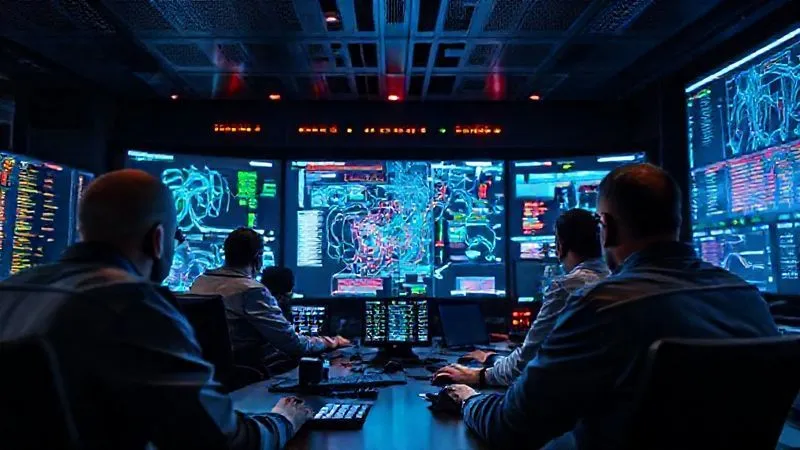
Despite the most robust preventative and proactive measures, no system is 100% impenetrable. The true test of a smart grid's security posture lies in its ability to respond swiftly and effectively when an incident occurs, minimizing the potential for physical damage and ensuring rapid recovery of services.
Developing a Comprehensive Cyber-Physical Incident Response Plan
An incident response (IR) plan for smart grids must extend beyond traditional IT incidents. It needs to explicitly address the unique challenges of OT environments, including the potential for physical damage, the safety of personnel, and the need for operational continuity. This plan should be regularly tested through tabletop exercises and live simulations.
- Preparation: Establish an IR team, define roles and responsibilities, develop communication protocols (internal and external), and ensure necessary tools are in place.
- Detection & Analysis: Rapidly identify the scope and nature of the attack, determining if physical systems are impacted or at risk. This involves correlating alerts from IT and OT systems.
- Containment: Isolate affected systems to prevent further spread of the attack and mitigate physical damage. This might involve disconnecting specific substations or control devices, often requiring careful coordination to avoid unintended outages.
- Eradication: Remove the threat from all affected systems. This could involve patching vulnerabilities, restoring from clean backups, or re-imaging compromised devices.
- Recovery: Restore affected systems and services to normal operation. Prioritize critical physical assets and ensure their integrity before bringing them back online.
- Post-Incident Activity: Conduct a thorough post-mortem analysis to identify root causes, document lessons learned, and update security policies and procedures.
Business Continuity and Disaster Recovery (BCDR) for OT Systems
BCDR planning for smart grids is fundamentally different from IT BCDR. It focuses on maintaining essential grid operations and rapidly restoring power delivery, even if some systems are compromised or offline. This requires extensive redundancy in critical infrastructure, including backup control systems, alternative communication pathways, and physically isolated manual override capabilities.
Regularly backing up OT configurations and critical data, storing them securely and offline, is essential. More importantly, these backups must be tested to ensure they are recoverable and functional. The ability to switch to a resilient, isolated fallback mode that can sustain operations during a cyberattack is a key differentiator for smart grids aiming to prevent physical damage.
You wouldn't send a firefighter into a blaze without training. Similarly, your incident response team must regularly drill against realistic cyber-physical scenarios. The speed and effectiveness of your response directly correlate with the depth and realism of your training.
The Human Element: Training, Culture, and Insider Threat Mitigation
While technology forms the backbone of smart grid security, the human element remains both its strongest asset and its most vulnerable link. A well-trained, security-aware workforce is critical to preventing physical damage from cyberattacks on smart grids, while neglecting human factors can undermine even the most advanced technical controls.
Cultivating a Cyber-Aware Culture Across All Levels
Security is everyone's responsibility, from the CEO to the field technician. A strong cybersecurity culture fosters vigilance and proactive behavior. This isn't just about annual online training modules; it's about continuous education, simulated phishing attacks, and scenario-based training that highlights the real-world consequences of security lapses.
Training should be tailored to different roles, focusing on relevant threats and best practices. For example, control room operators need to understand how to identify anomalous commands, while maintenance crews need to know how to securely handle field devices and report suspicious activity. Key training topics include:
- Phishing and Social Engineering Recognition: How to spot and report malicious emails or calls.
- Secure Remote Access Practices: Using MFA, VPNs, and clean workstations.
- Physical Security Protocols: Challenge strangers, secure access points, report tailgating.
- Incident Reporting: Clear procedures for reporting any suspected security incident, no matter how small.
- Understanding OT-Specific Risks: The unique impact of cyberattacks on industrial processes.
Addressing the Insider Threat: Monitoring and Vetting
The insider threat, whether malicious or negligent, poses a unique challenge because these individuals often have legitimate access to critical systems. Mitigating this risk requires a multi-faceted approach:
- Rigorous Background Checks: Comprehensive vetting for all personnel with access to sensitive systems.
- Behavioral Analytics: Monitoring user activity for deviations from normal patterns, such as accessing unusual systems or downloading large amounts of data.
- Segregation of Duties: Ensuring that no single individual has complete control over a critical process.
- Regular Audits: Periodic reviews of access logs and system configurations to detect unauthorized changes.
- Whistleblower Protection: Creating a safe environment for employees to report suspicious behavior without fear of retaliation.

Emerging Technologies and Future-Proofing Smart Grid Security
The threat landscape is constantly evolving, and so too must our defenses. To truly prevent physical damage from cyberattacks on smart grids in the long term, we must embrace and strategically integrate emerging technologies that offer new paradigms for security and resilience.
The Promise of Quantum-Resistant Cryptography (QRC)
While quantum computing is still largely in its research phase, its potential to break current cryptographic standards is a serious long-term threat. Smart grids, with their long operational lifecycles, need to start considering quantum-resistant cryptography (QRC) now. QRC involves developing new cryptographic algorithms that are secure against attacks from future quantum computers. Proactive research and pilot projects in this area will ensure that the grid's communication and data integrity remain protected for decades to come.
Leveraging Digital Twins for Predictive Security
Digital twins—virtual replicas of physical systems—are revolutionizing how we manage and secure complex infrastructure. For smart grids, a digital twin can simulate the entire network, including all physical assets, control systems, and communication pathways. This virtual environment offers unprecedented opportunities for predictive security:
- Vulnerability Assessment: Test new configurations or patches in the digital twin before deploying them to the live grid, identifying potential vulnerabilities without risking physical operations.
- Attack Simulation: Conduct realistic cyberattack simulations against the digital twin to understand potential impacts on physical assets and refine incident response plans.
- Predictive Maintenance: Analyze sensor data from the physical grid to predict equipment failures or anomalies that could be exploited by attackers.
- Real-time Anomaly Detection: Compare real-time data from the physical grid with the expected behavior of the digital twin to identify unusual activity.

Regulatory Compliance and Industry Best Practices
Adherence to established regulatory frameworks and industry best practices is not merely a bureaucratic requirement; it is a critical component of a robust defense strategy designed to prevent physical damage from cyberattacks on smart grids. These standards provide a baseline of security, promote consistency, and often integrate lessons learned from past incidents.
Navigating NERC CIP and Other Critical Standards
In North America, the North American Electric Reliability Corporation Critical Infrastructure Protection (NERC CIP) standards are paramount for bulk electric system owners and operators. These standards cover a wide range of security requirements, including personnel training, physical security of critical assets, electronic security perimeters, incident response, and supply chain risk management.
Compliance with NERC CIP is mandatory and subject to rigorous audits. Beyond NERC CIP, other relevant international and national standards include IEC 62443 for industrial communication networks and systems, and various ISO/IEC 27000 series standards for information security management. Understanding and implementing these frameworks provides a structured approach to identifying and mitigating risks that could lead to physical damage.
Collaborative Security Initiatives
No single utility or government agency can tackle the complex and evolving threat landscape alone. Collaborative security initiatives are vital for sharing threat intelligence, developing common defense strategies, and coordinating responses. These include:
- Information Sharing and Analysis Centers (ISACs): Sector-specific organizations (e.g., Electricity ISAC) that facilitate the sharing of threat intelligence, vulnerabilities, and best practices among member organizations.
- Public-Private Partnerships: Collaborations between government agencies (like CISA) and private industry to develop joint strategies, conduct research, and provide resources.
- Industry Working Groups: Forums where experts from different organizations come together to address specific security challenges and develop consensus-based solutions.
Active participation in these initiatives not only enhances your organization's security posture but also contributes to the collective resilience of the entire energy sector, a crucial step in our shared mission to prevent physical damage from cyberattacks on smart grids.
Frequently Asked Questions (FAQ)
Q: What's the biggest misconception about smart grid security? The biggest misconception is often that traditional IT security solutions are sufficient for OT environments. They are not. OT systems have unique characteristics—such as real-time operational demands, legacy equipment, and safety-critical functions—that require specialized security approaches and technologies. Applying IT-centric solutions without adaptation can lead to system instability or even physical damage.
Q: How often should smart grid systems be audited for vulnerabilities? Ideally, smart grid systems should undergo continuous monitoring for vulnerabilities, with formal, comprehensive audits performed at least annually. However, critical components or systems that have undergone significant changes (e.g., firmware updates, new integrations) should be audited more frequently, possibly quarterly, or after each major change. Penetration testing should also be conducted regularly, at least once a year.
Q: Can AI truly prevent physical damage, or just detect threats? AI's primary role currently is in advanced threat detection, anomaly identification, and predictive analytics. It excels at sifting through vast amounts of data to spot unusual patterns indicative of an attack. While AI can significantly enhance the speed and accuracy of human response, fully autonomous AI systems directly preventing physical damage are still largely in the research phase due to the high stakes and complexity of OT environments. Human oversight and decision-making remain crucial for critical physical actions.
Q: What role does physical security play in preventing cyber-physical damage? Physical security is foundational. A robust cyber defense can be easily bypassed if an attacker gains physical access to critical control systems, substations, or network infrastructure. This includes secure perimeters, access controls (biometrics, keycards), surveillance, and strict visitor policies. Physical security measures create a critical barrier that complements and reinforces cybersecurity controls, making it much harder for adversaries to inflict physical damage.
Q: Is it possible for a small utility to implement these advanced security measures? Absolutely. While resource constraints are real, many advanced security principles can be scaled. Small utilities can prioritize core measures like robust network segmentation, strong access controls, employee training, and active participation in ISACs. Leveraging managed security services providers (MSSPs) specializing in OT security can also provide access to expert capabilities without the overhead of building an in-house team. The key is to start with a risk-based approach and build iteratively.
Key Takeaways and Final Thoughts
The journey to prevent physical damage from cyberattacks on smart grids is complex, continuous, and critical. It demands a holistic strategy that integrates cutting-edge technology, robust processes, and a highly skilled, cyber-aware workforce. As an industry veteran, I've seen firsthand that complacency is the greatest enemy.
- Embrace IT/OT Convergence with Caution: Understand the unique risks and secure the interfaces rigorously.
- Segment and Micro-segment: This is your primary defense against lateral movement and widespread physical damage.
- Prioritize Proactive Detection: Leverage anomaly detection and threat intelligence to catch threats early.
- Drill Your Incident Response: Practice makes perfect, especially when physical safety is on the line.
- Invest in Your People: A well-trained and security-conscious team is your most valuable asset.
- Stay Agile and Future-Focused: The threat landscape evolves; so must your defenses.
The responsibility to secure our smart grids is immense, but it is also an opportunity to build more resilient, trustworthy, and future-proof energy infrastructures. By committing to these principles and fostering a culture of continuous vigilance, we can collectively ensure that the power continues to flow, safeguarding our communities and economies from the devastating potential of cyber-physical attacks. The time to act decisively is now.
Recommended Reading
- 7 Steps: How to Diagnose Unexpected Severe Latency on a Virtual Server?
- Unvetted Open Source: Is Your Enterprise Data Truly Secure? 5 Risks & Fixes
- Archive Costs Soaring? 7 Strategies to Halt Enterprise Cloud Storage Spikes
- Master Legal Compliance for Real Estate Tokenization: 7 Steps
- Shielding DApps: 7 Strategies to Mitigate Oracle Manipulation





0 Comentários: